When Effort Stops Being the Problem
There’s a point in business where effort stops being the issue. You can be working consistently, showing up every day, doing what you believe are the right things, and still feel like you’re not getting the results you expected. Not failing, not stuck in the obvious sense, but not moving forward in the way you thought you would.
More activity, but not more return. More growth, but not more control.
That’s where many people find themselves before they come across the Make More Offers Challenge. It’s not always a lack of effort that creates that tension. In many cases, it’s something less visible. The structure of the business, the way value is created, and the way offers are positioned don’t always stand out at first, especially if the business is growing on the surface. Revenue might be increasing and opportunities might be expanding, but underneath that, something is not compounding the way it should.
Growth Can Hide Structural Problems
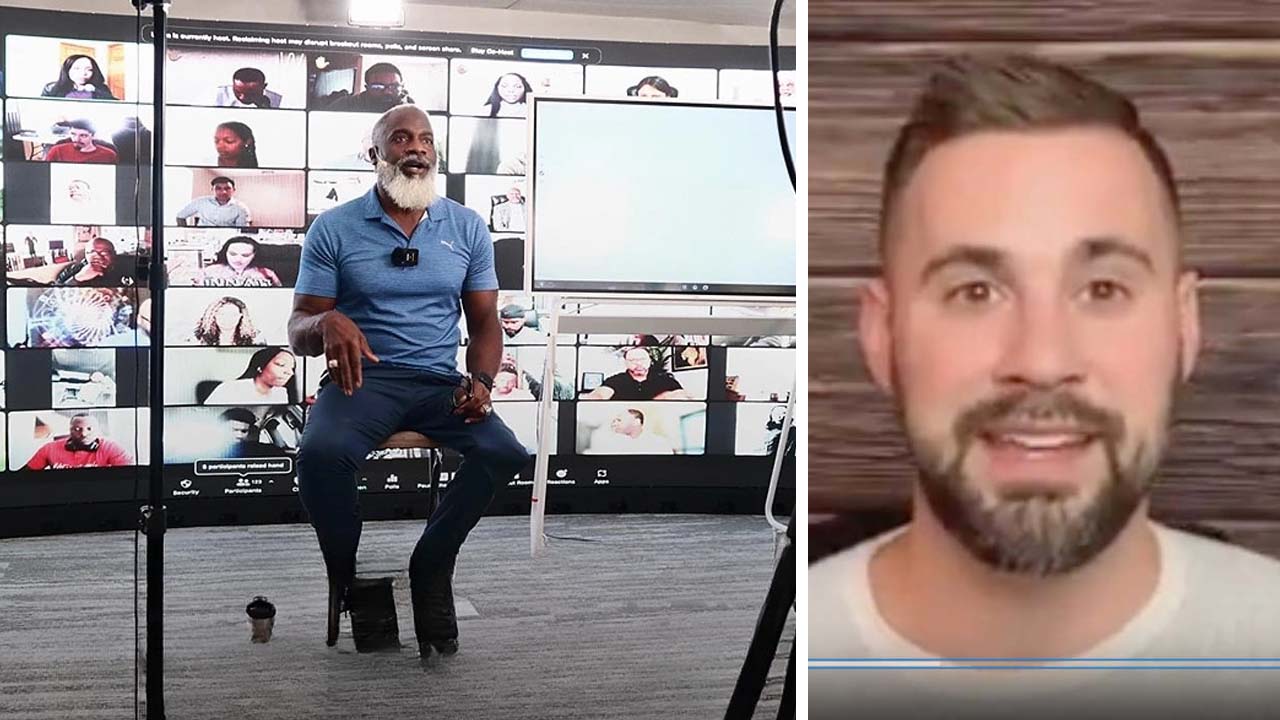
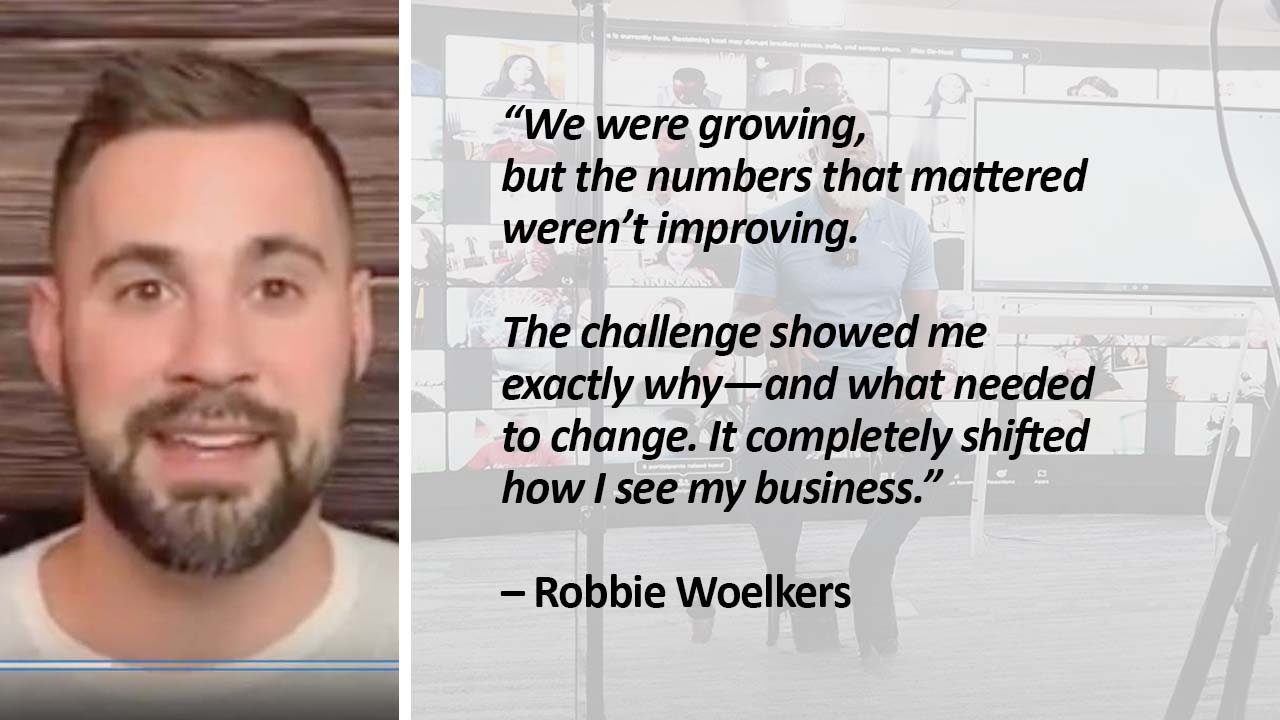
Dr. Robbie Woelkers found himself in that position. His business was growing. He was expanding into multiple locations, adding more activity, and building what looked like momentum from the outside. But the results underneath that growth were not changing in the way they should have.
Even as the business expanded, his profit margins, salary, and distributions were not improving. Costs were rising, reimbursement was declining, and key parts of the business were outside of his control. The more the business grew, the more that lack of control became apparent.
Over time, that creates a specific kind of friction. Not the kind that signals failure, but the kind that makes you question whether continuing in the same direction will actually produce a different result.
Why Doing More Doesn’t Solve It
When that friction shows up, the instinct is usually to do more. More marketing, more content, more effort, more hours. It feels like the responsible response, because effort is something you can control.
What becomes clear through the Make More Offers Challenge with Myron Golden, is that effort is rarely the constraint. The constraint is often alignment.
Alignment between what you offer, who it’s for, and how it’s positioned in the market. When those elements are even slightly off, everything becomes heavier than it should be. Sales take more effort, growth becomes inconsistent, and progress slows down even when activity increases.
Robbie saw this in a second area of his business as well. With his online coaching, the structure itself made growth difficult. With multiple partners involved, value was spread thin, and without operating at a higher level, it was difficult to gain traction. The issue wasn’t effort. It was how the business was structured and where value was being created.
Understanding Value at a Higher Level
One of the central ideas that clarified this for him was the concept of levels of value. Most business owners operate in roles where they are either doing the work or managing the work. Those roles are necessary, but they tend to limit both income and scalability because they tie value directly to time and effort.
What became clear is that operating at those levels creates a ceiling. You can grow within it, but you cannot scale beyond it.
If you’ve spent any time on Word & Wealth, especially reading through https://wordandwealth.com/boss-moves-myron-golden/, you’ve already seen this principle in a broader context. Income tends to follow value, not effort. The challenge reinforces that idea in a practical way, showing how operating at higher levels of value changes both the reach and the economics of a business.
When the Business Model Is the Constraint
That realization leads into a broader shift in how the business itself is viewed. You cannot fix a structural limitation by working harder inside it. If the model relies too heavily on time, spreads value too thin, or limits pricing power, growth becomes inefficient. It is still possible to grow, but it requires more effort than it should, and over time that becomes difficult to sustain.
This is where many businesses quietly plateau. Not because the owner has reached their limit, but because the structure has.
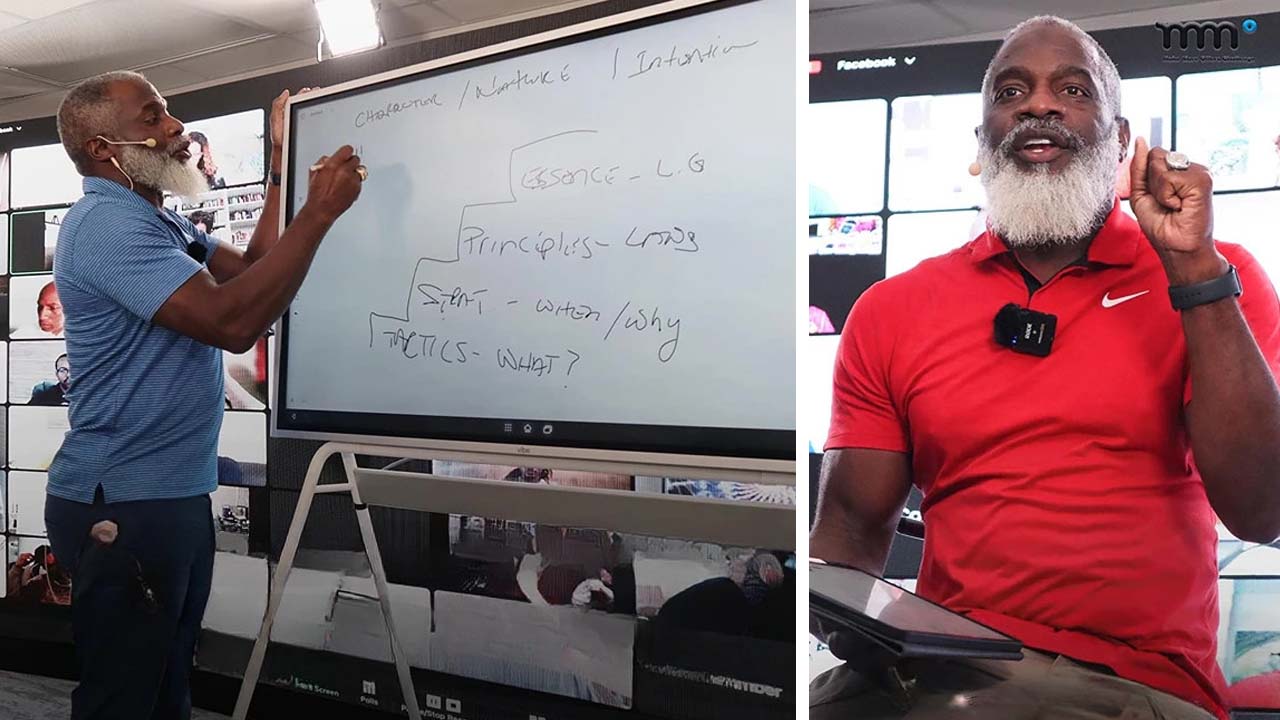
What the challenge does well is bring those structural constraints into focus. It shows what the right environment looks like, and why operating in the wrong one makes progress harder than it needs to be. That clarity changes how decisions are made, because it shifts the focus from doing more to operating differently.
Selling Becomes Clarity, Not Pressure
There is also a shift in how selling is understood. Many people assume that if sales are not where they want them to be, the solution is to improve how they close. In practice, the issue usually appears earlier, in the message, the audience, or the offer itself.
When those elements are aligned, selling becomes less about persuasion and more about clarity. The right people recognize the value, and the process becomes more natural. As Robbie described it, the sales process itself becomes less about convincing and more about creating the conditions where people are already prepared to move forward.
The Deeper Shift: How You See Opportunity
Beyond strategy, there is a deeper adjustment that takes place. It is not presented as motivation, but it affects how you think about opportunity, responsibility, and growth. Many people begin to recognize that they have been operating below the level they are capable of, not because they lack ability, but because they have been working within a structure that limits what is possible.
That often shows up in how value is priced, how effort is applied, and what outcomes are accepted as normal. From a broader perspective, this connects to stewardship. Growth is not simply about expansion. It is about how effectively you manage and multiply what you have been given, and that requires clarity.
The Cost Question—Reframed
Most people hesitate here—not because of the price, but because they don’t fully understand what they’re stepping into. If you want a clear breakdown of how the challenge works, start there.
At some point, the question of cost comes up. Most people ask whether the challenge is worth the investment, but that question on its own misses something important. A more useful question is what it costs to remain in the same structure.
Staying in the same model has a cost, even if it is not immediately visible. It appears in missed opportunities, in offers that underperform, and in progress that takes longer than it should. Over time, those costs accumulate.
Who This Is Really For
The people who benefit most from the challenge are not typically beginners. They are already in motion. They have something working, but they can see that it is not as efficient, as scalable, or as aligned as it could be. For them, the value is not in starting over, but in changing direction with a clearer understanding of how the business should operate.
The format itself is straightforward. It consists of live sessions over several days, focused on offers, value, and business structure, with optional deeper access through a VIP level. The format, however, is not the primary value. What matters is the perspective that develops while going through it.
Once the structure becomes clear, it is difficult to return to operating the same way.

Take the Next Step
At a certain point, continuing to approach the business in the same way begins to feel less like persistence and more like limitation. Not because the effort is lacking, but because the structure behind that effort is no longer producing what it should.
If that tension is already familiar, then the value of the Make More Offers Challenge is in seeing the underlying model clearly enough to change it. It provides a way to understand where value is being created, where it is being lost, and what needs to shift for the business to move forward with less friction.
You can explore the details of the challenge here.

Tim McGarvey writes on biblical business strategies, entrepreneurship, and value creation through Word and Wealth, helping business owners build profitable, purpose-driven companies.